
 shreeharitravelsnadiad@gmail.com
 0268-2523733/+91-9033435631

Gujarat
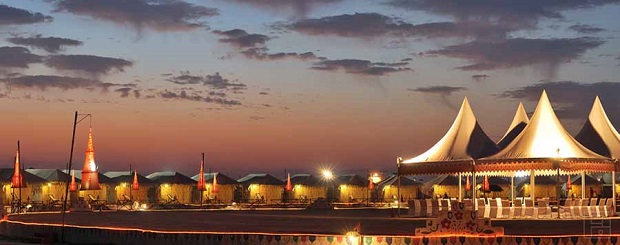
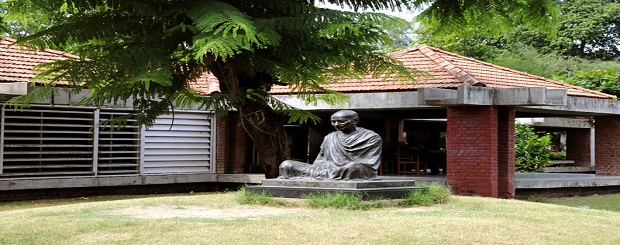
Gujarat, India's westernmost state, has varied terrain and numerous sacred sites. In its urban center of Ahmedabad is the Calico Museum of Textiles, displaying antique and modern Indian fabrics. Spiritual leader Mahatma Gandhi's base from 1917-1930 was Sabarmati Ashram, where his living quarters remain on view. The Jama Masjid (Friday Mosque), built in the 15th-century, is defined by its courtyard and columned design.
Kakaria Lake
Kankaria Lake is the biggest lake in Ahmedabad in the state of Gujarat, India. It is located in the southern part of the city, in the Maninagar area. A lakefront has been developed around it, which has many public attractions such as a zoo, toy train, kids city, tethered balloon ride, water rides, water park, food stalls, and entertainment facilities. The lakefront was revamped in 2008. Kankaria Carnival is a week-long festival held here in the last week of December. Many cultural, art, and social activities are organised during the carnival.
The EME Temple
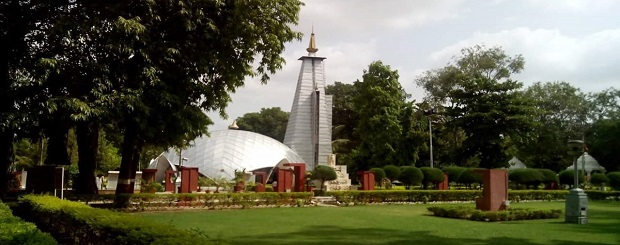
The EME Temple or "Dakshinamurty Temple" is a Shiva Temple run by Indian Army Authorities in the city of Vadodara in the state of Gujarat, western India. It is a unique in concept & design, geodesic structure covered with aluminium sheets. This temple is a major attraction for both tourist and devotees.Temple opens at 5:30 AM for general public.Devotees can also experience sculpture art of 7th century to 15th century. Landscape inside temple is very beautiful and well maintained by Indian Army.
The Sidi Saiyyed Mosque
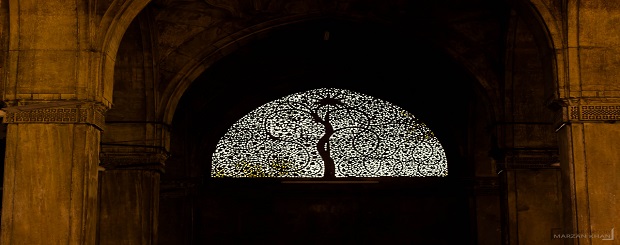
The Sidi Saiyyed Mosque built in 1573,is one of the most famous mosques of Ahmedabad. As attested by the marble tablet fixed on the wall of the mosque, it was built by Sidi Saeed or Sidi Saiyyed, an Abyssinian in the retinue of Bilal Jhajar Khan, general in the army of the last Sultan Shams-ud-Din Muzaffar Shah III of the Gujarat Sultanate.
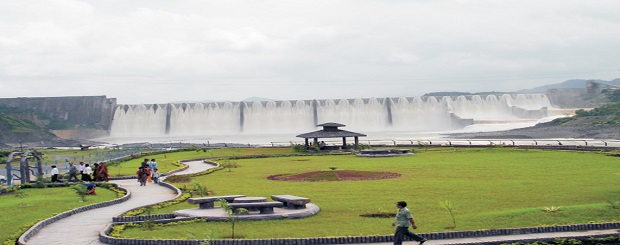
Sardar Sarovar Dam
The Sardar Sarovar Dam is a gravity dam on the Narmada river near Navagam, Gujarat in India. It is the largest dam and part of the Narmada Valley Project, a large hydraulic engineering project involving the construction of a series of large irrigation and hydroelectric multi-purpose dams on the Narmada river. The project took form in 1979 as part of a development scheme to increase irrigation and produce hydroelectricity.


 Travel and tourism is the largest service industry in India. It provides heritage, cultural, medical, business and sports tourism. The main objective of this sector is to develop and promote tourism, maintain competitiveness of India as tourist destination and improve and expand existing tourism products to ensure employment generation and economic growth.


